Course Summary
Child Criminal Exploitation (CCE) is a growing reality that often hides in plain sight. This course explores how organised criminal networks use "County Lines" to move drugs across the country, frequently using vulnerable children as couriers or "runners." We dive deep into the mechanics of debt bondage and coercion, helping you understand that what might look like "bad behaviour" is often a cry for help from a child trapped in a dangerous situation.
Participants will gain a solid grasp of current safeguarding terminology and the legal frameworks surrounding trafficking and modern slavery. We don't just look at the "what"—we look at the "how," examining the grooming processes that lead children into harm's way and the emotional impact these experiences have on their developing minds.
Seeing the Whole Picture: A Contextual Approach to Safety
Beyond identification, this course focuses on proactive, trauma-informed care. By moving from the first signs of concern to a structured response, we ensure that foster carers and support workers feel confident in their reporting duties and professional curiosity. This holistic perspective integrates contextual safeguarding with relationship-based practice, ensuring that the support provided is as robust and adaptive as the risks the children face.
- Understand the links between grooming, debt bondage, and trafficking.
- Recognise early indicators of exploitation, even when they are masked by anger or withdrawal.
- Learn the exact steps for recording and escalating concerns to local authorities.
- Develop strategies to build protective factors and resilience in young people.
Course Learning Outcomes
Review the learning objectives below. Expand each aim to view the detailed criteria this course covers.
- 1.1Define child criminal exploitation using current safeguarding terminology.
- 1.2Describe the meaning of county lines and how it operates in practice.
- 1.3Explain the relationship between grooming, trafficking and exploitation, including how these processes overlap.
- 1.4Identify a range of behaviours, actions and situations that constitute criminal exploitation.
- 1.5Explain how county lines activity is linked to trafficking, coercion, debt bondage, and organised criminal networks.
- 2.1Describe factors that may increase a child or young person’s susceptibility to exploitation, including structural, social, environmental and individual influences.
- 2.2Analyse how involvement in exploitation or county lines may affect a child’s emotions, behaviour, decision‑making and sense of safety.
- 2.3Identify early and emerging indicators that may raise concern that a child is being, or is at risk of being, criminally exploited.
- 2.4Explain how patterns of behaviour may be misunderstood or mislabelled without a contextual safeguarding approach.
- 3.1Explain the required stages of action when responding to concerns about criminal exploitation or county lines, including immediate safety considerations.
- 3.2Describe how to record, report and escalate concerns in line with local safeguarding arrangements, statutory guidance and organisational policy.
- 3.3Explain the importance of professional curiosity, information‑sharing and multi‑agency working when responding to suspected exploitation.
- 4.1Describe ways of working that support, safeguard and empower children who may be at risk of exploitation, trafficking or county lines involvement.
- 4.2Explain how trauma‑informed, relationship‑based and strengths‑focused practice can reduce risk and promote safety.
- 4.3Identify preventative strategies, education approaches and community‑based interventions that help minimise susceptibility and build protective factors.
Who is this course for?
This training is specifically designed for foster carers, residential support workers, and social care staff who work directly with children and young people. It is ideal for anyone looking to deepen their safeguarding knowledge to meet Level 3 standards.
Duration
1 day course - we can be flexible on start and finish times to suit your needs such as school run friendly times or twilight sessions.
Availability
This CCE and County Lines training course is offered in two delivery formats:
- Remote Online: Led by a live tutor via Zoom or Microsoft Teams, allowing participants to join remotely. (Also known as virtual classroom training)
- Face-to-Face: Delivered in person at your location or a venue you arrange. (Also referred to as on-site training)
View a comparison of Remote and in-person face to face training .
Complete our quick enquiry form for a price and available dates.
Certification
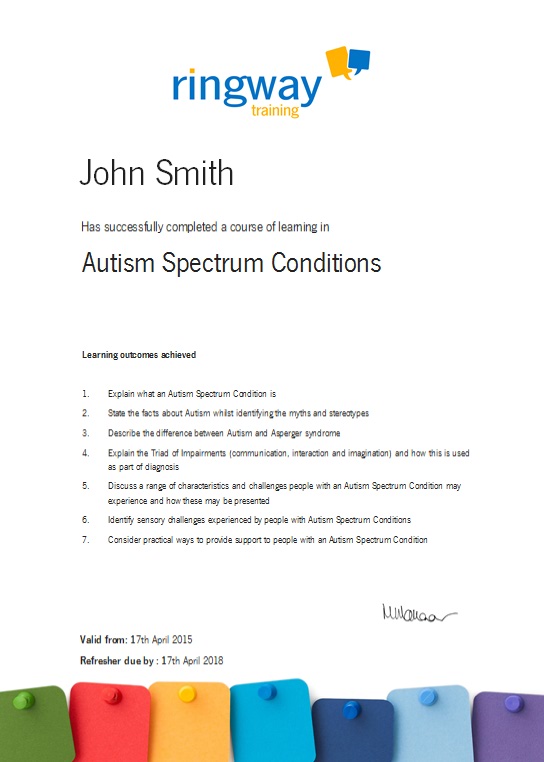
Each learner completing this course will receive a digital (PDF) certificate of learning.
Accreditation
The course contents are accredited by the Open College Network (OCN) Credit4Learning as a Level 3 course.
Choose the learning environment that works best for you: our expert-led training is offered in two convenient formats - remote tutor led online or in person face to face.
Flexible start and finish times to suit you. Contact us for available dates.
The course contents are accredited by the Open College Network (OCN) Credit4Learning as a Level 3 course.
Get a Price or more information...
Drop us a few details and we’ll send over an all-inclusive price.Just so you know, there’s no sales team here waiting and we won't add you to any marketing lists. You’ll get a quick direct reply from one of us.
Clear pricing
We ask for location (for face to face training) and approximate numbers because we include any expenses in the quotes we give so you get one clear price - no surprise added extras
More Information?
Want to dig into the details first or interested in a number of courses? No problem! Drop us a message or phone us.
Contact UsCourse FAQs