Course Summary
Dealing with hoarding and self-neglect can feel overwhelming for frontline professionals. This one-day, Level 3 course cuts through the complexity, offering down-to-earth, practical strategies to help you support individuals while keeping them safe. We explore the psychological reasons behind why people hoard—including trauma, neurodiversity, and executive functioning challenges—so you can approach every situation with genuine empathy rather than frustration.
Throughout the day, we will focus heavily on hands-on risk assessment and legal duties. You will learn how to use practical industry tools, map out multi-agency responses with partners like the fire service and environmental health, and confidently navigate the delicate balance between an adult's autonomy and your statutory safeguarding duties.
Navigating the Hidden Complexities of Hoarding
To effectively manage high-risk cases, social care professionals must look past the physical clutter and understand the specific legal thresholds and cognitive blocks at play. This course bridges the gap between frontline practice and UK legislation by focusing on three highly complex concepts that frequently complicate hoarding interventions:
- Executive Dysfunction in Hoarding: This refers to impairment in the brain's ability to plan, organise, focus, and make decisions. In hoarding cases, it manifests as an inability to categorise items or decide what to discard, meaning standard tidying advice simply will not work.
- Inherent Jurisdiction: A legal doctrine where the High Court can step in to protect a vulnerable adult who, despite having mental capacity, is deemed unable to make free choices due to coercion, severe undue influence, or profound self-neglect.
- Clutter Image Rating (CIR): An objective, visual assessment tool featuring a series of nine photographs showing progressive stages of clutter. It allows multi-agency teams to establish a standardised, benchmarked trigger point for statutory intervention, removing personal bias from risk levels.
By the end of this training, you will leave with the confidence to co-create realistic, trauma-informed support plans that respect individual independence while effectively reducing environmental hazards.
Course Learning Outcomes
Review the learning objectives below. Expand each aim to view the detailed criteria this course covers.
- 1.1Describe what hoarding is and define key terms relating to hoarding.
- 1.2Define what constitutes a hoarding disorder, including diagnostic criteria.
- 1.3Establish the core characteristics of hoarding behaviours.
- 1.4Compare the difference between collecting, obsessive behaviour and hoarding.
- 1.5Compare the difference between OCD and hoarding disorder.
- 1.6Explain the cognitive, emotional and executive‐functioning factors that influence hoarding behaviour.
- 1.7Describe how trauma, loss, attachment and neurodiversity may contribute to hoarding patterns.
- 1.8Explain how shame, avoidance and anxiety maintain hoarding behaviours.
- 2.1Discuss how hoarding can impact a person’s physical and mental health.
- 2.2Discuss how hoarding can impact families, friends and support networks.
- 2.3Consider the risks associated with hoarding behaviours, including fire risk, falls, infestation and environmental hazards.
- 2.4Explain how hoarding can create safeguarding concerns, including self‐neglect and vulnerability.
- 2.5Describe how hoarding affects daily living, safety, social functioning and quality of life.
- 2.6Explain how to use tools such as the Clutter Image Rating (CIR) to assess risk.
- 2.7Understand statutory powers, legal responsibilities and multi‐agency safeguarding responses to hoarding and self‐neglect.
- 3.1Define statutory powers that can be used to intervene as a last resort.
- 3.2Explain how the Care Act 2014, Mental Capacity Act 2005 and safeguarding duties relate to hoarding.
- 3.3Describe the role of fire services, environmental health, housing, social care and mental health teams in responding to hoarding.
- 3.4Explain how to assess capacity and decision‐making in relation to hoarding behaviours.
- 3.5Describe possible challenges or barriers to providing support, including refusal of access or disengagement.
- 3.6Explain how to record, share and escalate concerns in line with legal and organisational requirements.
- 3.7Analyse how to balance autonomy, risk and statutory intervention.
- 4.1Explain strategies for assessing risk arising from hoarding.
- 4.2Consider ways to safeguard vulnerable adults who present hoarding behaviours.
- 4.3Describe ways of encouraging engagement and providing support.
- 4.4Explain how to work collaboratively with multi‐agency partners to reduce risk and promote wellbeing.
- 4.5Describe person‐centred, trauma‐informed and motivational approaches to supporting individuals with hoarding disorder.
- 4.6Explain how to create realistic, achievable support plans that promote safety and independence.
- 4.7Identify sources of further support, advice and specialist services.
- 4.8Describe how to monitor progress, review risk and adapt support over time.
Who is this course for?
This hoarding and self-neglect training course is designed for social care practitioners, housing officers, family support workers, and foster care agencies who work with vulnerable individuals experiencing self-neglect or hoarding behaviours.
Duration
1 day course - we can be flexible on start and finish times to suit your needs such as school run friendly times or twilight sessions.
Availability
This Hoarding and Self-Neglect course is offered in two delivery formats:
- Remote Online: Led by a live tutor via Zoom or Microsoft Teams, allowing participants to join remotely. (Also known as virtual classroom training)
- Face-to-Face: Delivered in person at your location or a venue you arrange. (Also referred to as on-site training)
View a comparison of Remote and in-person face to face training .
Complete our quick enquiry form for a price and available dates.
Certification
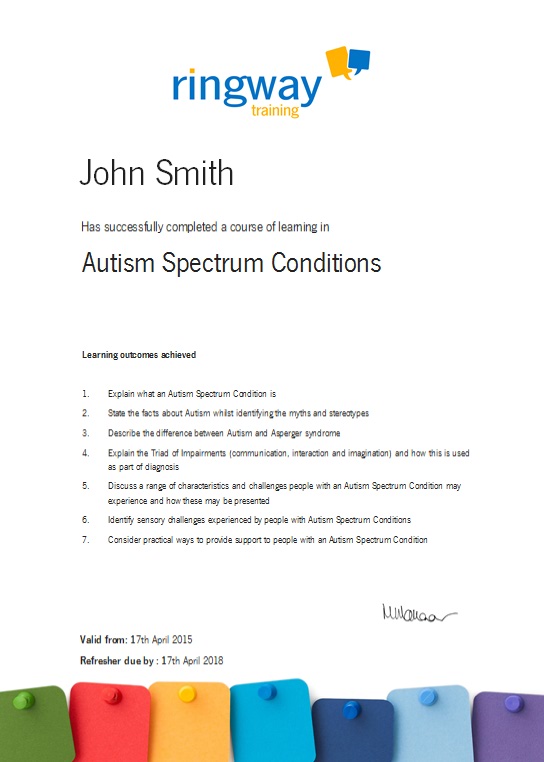
Each learner completing this course will receive a digital (PDF) certificate of learning.
Accreditation
The course contents are accredited by the Open College Network (OCN) Credit4Learning as a Level 3 course.
Choose the learning environment that works best for you: our expert-led training is offered in two convenient formats - remote tutor led online or in person face to face.
Flexible start and finish times to suit you. Contact us for available dates.
The course contents are accredited by the Open College Network (OCN) Credit4Learning as a Level 3 course.
Get a Price or more information...
Drop us a few details and we’ll send over an all-inclusive price.Just so you know, there’s no sales team here waiting and we won't add you to any marketing lists. You’ll get a quick direct reply from one of us.
Clear pricing
We ask for location (for face to face training) and approximate numbers because we include any expenses in the quotes we give so you get one clear price - no surprise added extras
More Information?
Want to dig into the details first or interested in a number of courses? No problem! Drop us a message or phone us.
Contact UsCourse FAQs